

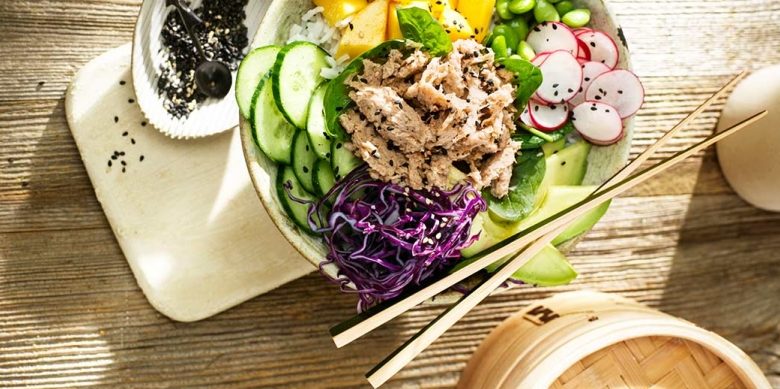
Nestlé Plant-Based Tuna: Its 2020 Seafood Alternative Launch

Archive: August 2020. Nestlé’s launch announcement described a plant-based tuna alternative. This article covers that announcement, not a statement of current availability or a comparison of today’s products.
Nestlé’s first plant-based seafood launch
In its 20 August 2020 announcement, Nestlé described a plant-based tuna alternative as its first move into plant-based seafood.
The company proposed uses including salads, sandwiches and pizzas, and described the product as having a flaky texture. Suitability for a particular dish still needs to be assessed with the actual product.
Ingredients and intended uses at launch
Nestlé reported a formulation with six plant-based ingredients, including pea protein, and said it contained no artificial colourings or preservatives. These descriptions refer to the announced product. They do not establish its nutritional equivalence with fish or quantify its environmental footprint.
The company’s development plans
Stefan Palzer, identified in the announcement as Nestlé’s chief technology officer, said: “Sustainably produced plant-based seafood alternatives can help to reduce overfishing and to protect the biodiversity of our oceans. Our plant-based tuna alternative is delicious, nutritious and high in protein. We are excited to launch this great product, and other plant-based fish and shellfish alternatives are already under development.”
What food buyers should compare
A plant-based tuna alternative should be assessed for the recipe in which it will be used: flake integrity, flavour, portion yield and performance in chilled or heated applications. Request the current ingredient declaration, allergen information, nutritional analysis and storage instructions for the exact product and market. A plant-based label alone does not establish nutritional equivalence with tuna or quantify environmental savings.
For a wider sourcing perspective, see our overview of plant-based products in the USA and export checks. Market-level trends do not establish demand for a specific seafood alternative.


