

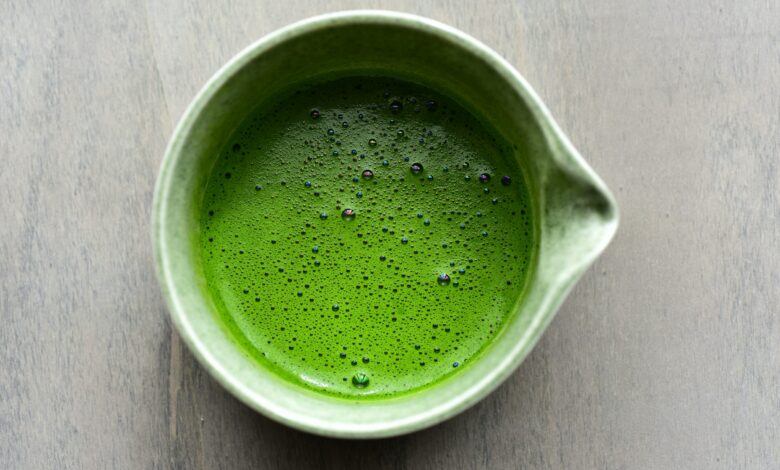

Matcha brands in the UAE offer more than competing tins of green powder. For a café, hotel or retailer, the choice involves the tea itself, the local supply route and the support available when a new drink becomes a regular menu item. A supplier suited to a small specialist tea counter may not be the right partner for a multi-site latte programme.
AVANTCHA, Newby Teas UAE, Miss Matcha, CHAWA Japan and Matcha Forest provide five different starting points. Each publishes a business-facing offer for the UAE market. This is a sourcing guide, not a sales ranking or an endorsement of untested products. A brand serving Dubai is also not necessarily growing or manufacturing its tea in the Emirates: the suppliers below describe Japanese sourcing.
AVANTCHA: matcha within a wider hospitality programme
AVANTCHA’s professional matcha offer combines Japanese tea with menu development, training and retail options. Its published range includes a Kagoshima natural-farming blend intended for milk and milk alternatives, alongside other ceremonial selections and limited first-harvest teas from Uji. The company describes direct sourcing, stone milling, cold storage and airtight packaging.
For a hotel or restaurant group, the useful distinction is between selecting one powder and building a service programme. A tea flight, a breakfast buffet and an iced takeaway latte make different demands on preparation, staff knowledge and price. Buyers should ask which proposed product supports each occasion, then taste the actual recipe rather than infer performance from the most prestigious item in the range.
Training matters most when it survives staff changes. Ask for a repeatable recipe, equipment list and practical handover process, as well as an opening demonstration. The wider challenge resembles the supplier questions raised in Xtra Food Magazine’s coverage of coffee bars and hospitality supply in Qatar: the beverage needs an operating system around it.
Newby Teas UAE: bulk supply and preparation support
Newby Teas UAE identifies Uji as the source of its matcha offer and provides a Dubai trade contact. Its hospitality programme includes bulk supply, menu development and staff training. Newby says batches are milled to order in Japan and packed in airtight, nitrogen-flushed packaging.
That makes the relationship between milling, delivery and consumption a useful subject for the buying conversation. Request the specification and dates for the product being quoted, the unopened shelf life and the recommended handling once a pack is opened. A packaging claim does not remove the need for sensible stock rotation at the customer’s premises.
For a multi-outlet account, compare pack sizes with actual weekly usage. A larger bag can reduce the headline cost per kilogram while increasing the quantity exposed during slow service. The purchasing decision should account for opened-pack waste, preparation losses and the practicalities of transferring stock between sites.
Miss Matcha: wholesale and private-label routes
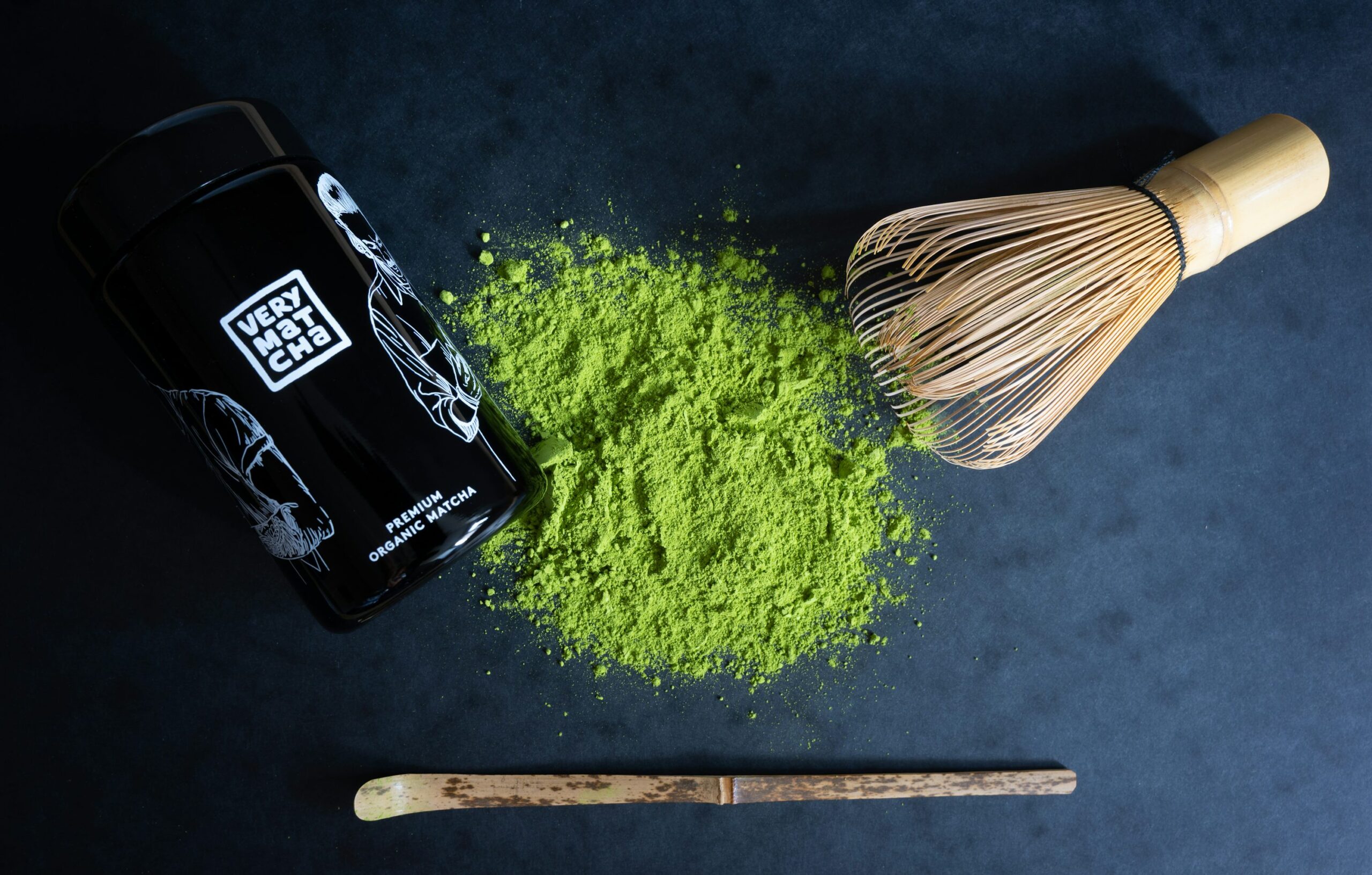
Miss Matcha’s wholesale programme serves cafés, hotels, retailers and private-label businesses. The company states that it works with Japanese tea producers and offers both matcha and hojicha. Its consumer range also includes flavoured matcha, so buyers should be precise about whether they are discussing pure tea powder or a formulated product.
The private-label route requires a separate commercial brief. Decide whether the aim is a branded retail tin, a café ingredient pack or a gift product. Confirm ingredients, packaging sizes, minimum orders, artwork responsibilities and the process for approving the production sample. Do not assume that an attractive consumer pack can be supplied unchanged at wholesale scale.
Retailers also need a clear reason for the product to occupy shelf space. That means an understandable preparation method, a realistic replenishment plan and a pack that fits the intended customer. Xtra Food Magazine’s guide to supplying premium grocery in Dubai explains why a listing involves more than the product’s origin story.
CHAWA Japan: local distribution and retail partnerships
CHAWA Japan describes itself as a UAE-based distributor of Japanese matcha, hojicha, sencha and gyokuro. Its trade page advertises locally available stock, smaller repeat orders, temperature-controlled transit and private-brand options. These are supplier statements to confirm for the proposed order, including the particular delivery route.
The same page distinguishes wholesale supply from selected retail partnerships, with an emphasis on presentation and controlled distribution. A business seeking to resell packaged tea should establish the terms rather than assume that a foodservice purchase permits every retail use.
There is a timing detail worth checking: the page still displays a 2026 harvest pre-booking section referring to delivery as early as July 2026. In November, that is historical information, not a forward delivery commitment. Obtain a current stock position, production schedule and written lead time before building a launch around it.
Matcha Forest: a named Japanese tea-house relationship
Matcha Forest’s business offer connects its UAE supply proposition with Yanoen in Uji, Kyoto. It describes itself as Yanoen’s exclusive representative in the UAE and Saudi Arabia. Buyers who need territorial rights or exclusivity should verify those arrangements directly rather than treating a supplier webpage as a distribution contract.
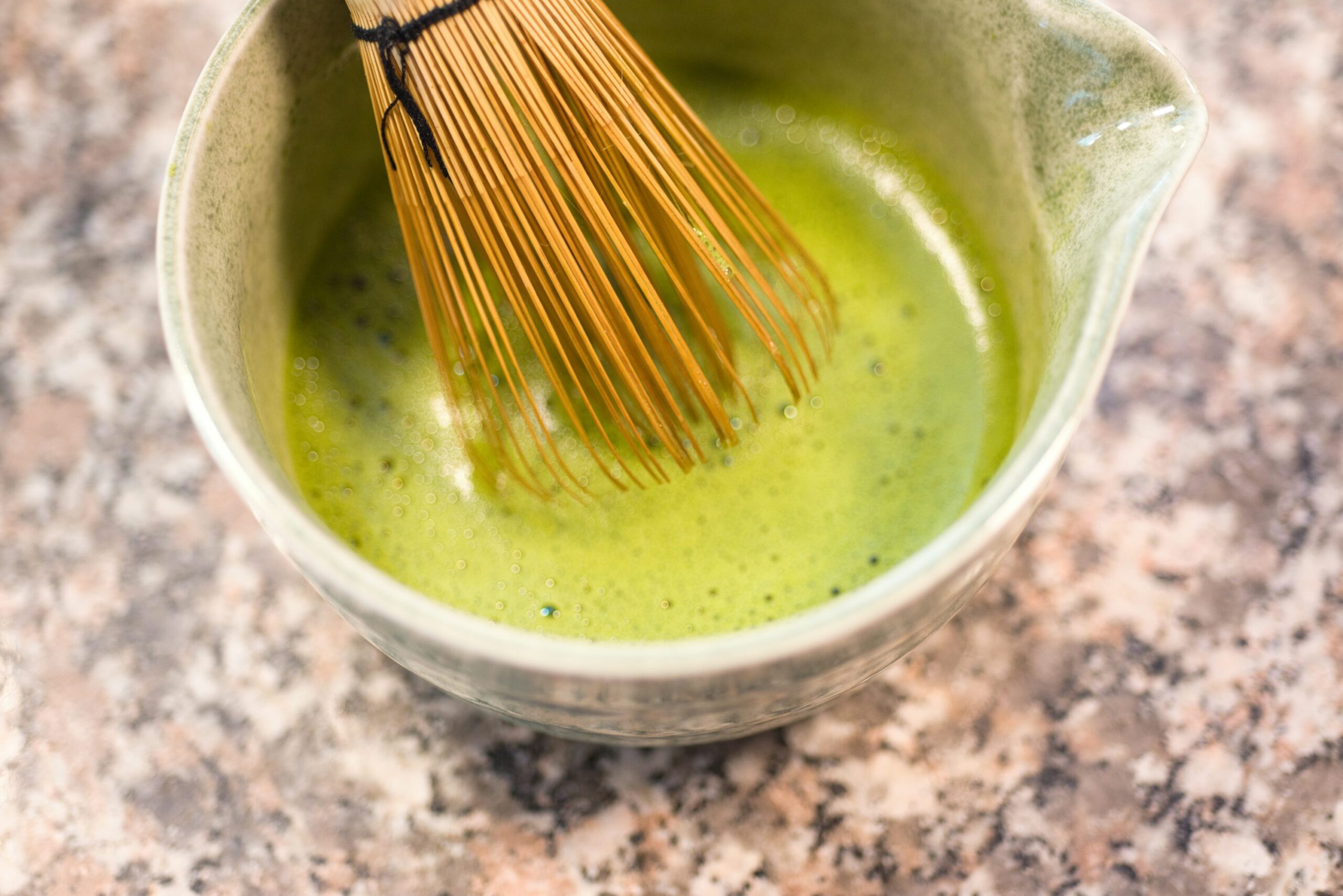
The company addresses cafés, hotels, bakeries and retailers, with different grades for drinks and culinary use. It also advertises samples and private-label options. The practical opportunity is to compare products for specific recipes instead of forcing one powder into every application.
A bakery may prioritise flavour after mixing and baking; a tea counter may judge the unadorned drink. A sensible trial uses the same production method, portion and serving conditions as the final menu. The principle is similar to evaluating a new coffee origin: the sample needs to represent the product that will arrive in commercial quantities.
Test the drink, then calculate its contribution
Labels such as ceremonial, premium and latte grade are useful descriptions of a supplier’s range, but they are not enough to compare quotations. Request the ingredient list, origin information and product specification. Where organic status matters, ask for the relevant current certification for the exact product rather than assuming it applies to the entire brand.
Run a blind comparison using the intended water, milk or plant-based drink, sweetener and ice. Record the powder dose, preparation time, dispersion, flavour and appearance at serving. For takeaway products, repeat the assessment after the expected delivery interval. A drink that performs well at the counter may be less convincing after transport.
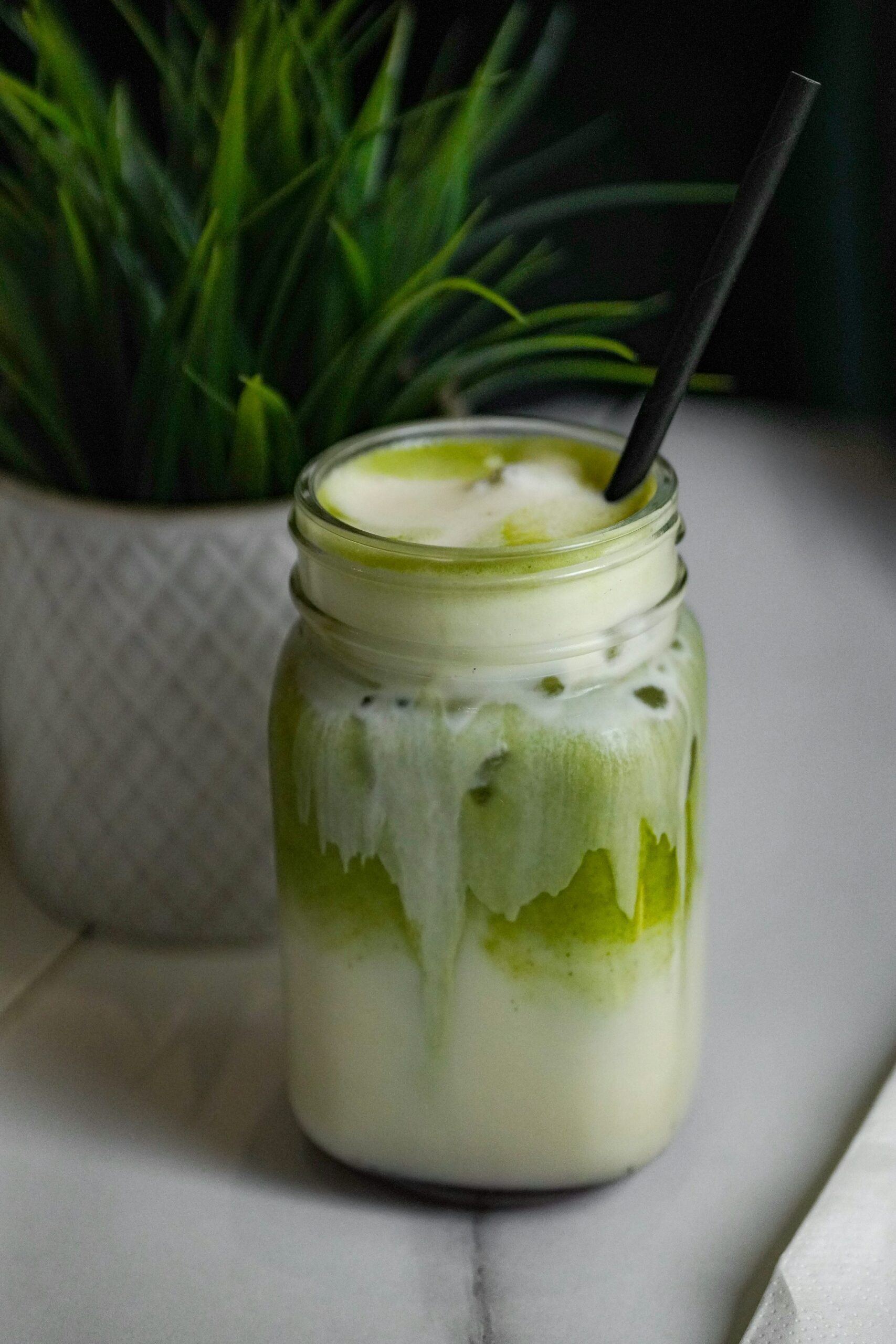
Calculate ingredient cost per serving rather than comparing only kilograms. As a simple illustration, AED 300 per kilogram at a two-gram dose gives AED 0.60 of powder per drink before waste. Milk, syrup, ice, packaging, labour and delivery charges still belong in the calculation. These are illustrative numbers, not a quoted supplier price or a recommended recipe.
For delivery-led operators, Xtra Food Magazine’s analysis of UAE food-delivery platforms adds the channel costs that can change a drink’s contribution. Its coverage of delivery-only kitchen operations also shows why production discipline matters alongside demand.
Build a repeatable supply arrangement
Before committing, agree the approved product, batch identification, order quantity, remaining shelf life and delivery expectations. Ask how substitutions are handled and whether another harvest or blend requires a fresh approval. Keep a reference sample or documented tasting record so that a quality discussion has something more concrete than memory behind it.
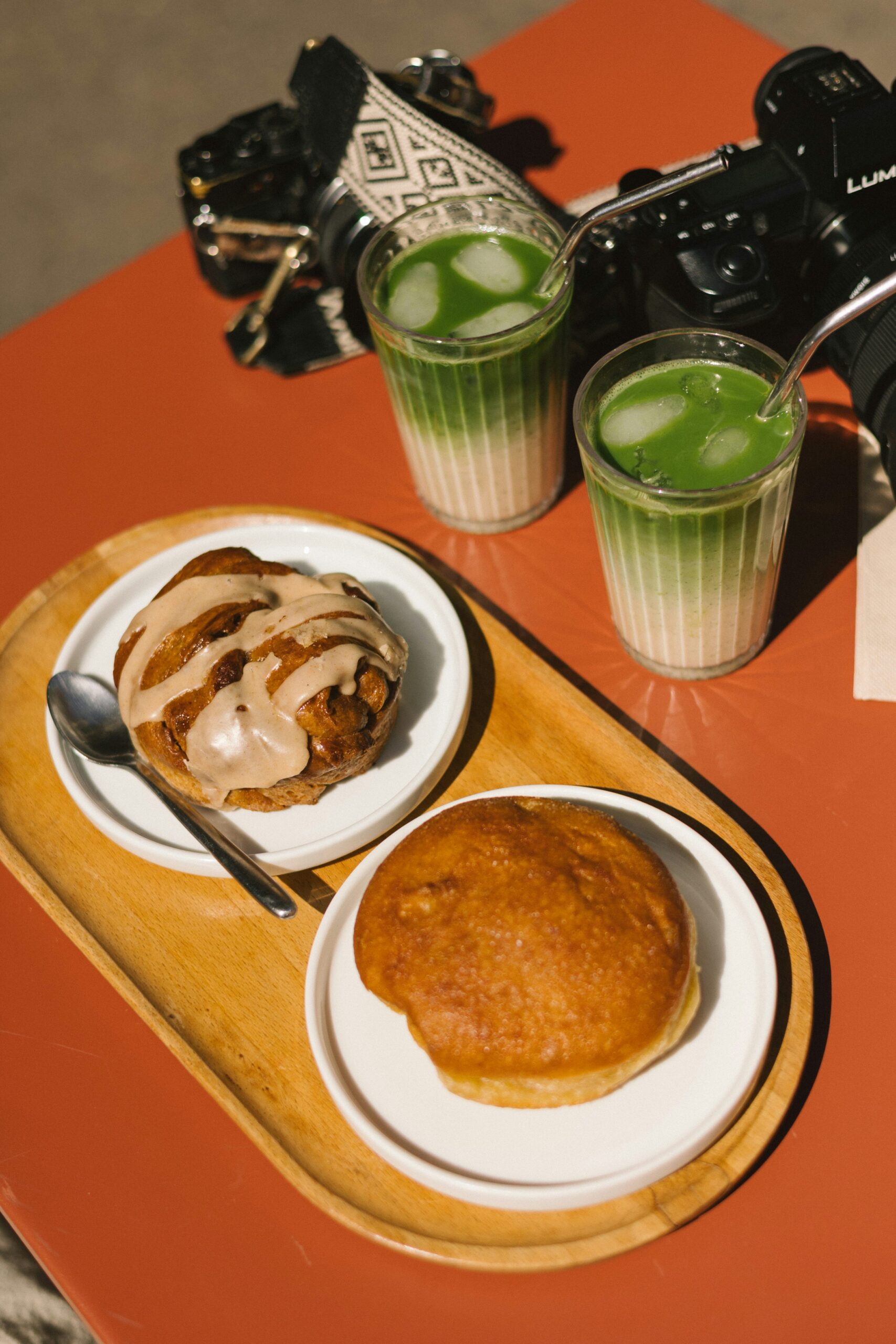
The best choice among matcha brands in the UAE is the one that fits the business’s recipe, customer and replenishment rhythm. A distinctive tea can attract attention. Consistent preparation, clear specifications and dependable repeat supply are what turn that first purchase into a sustainable menu or retail line.


