
McCormick & Company has offered to sell the Colman’s business to secure UK approval for its planned takeover of almost all of Unilever’s global food business, a move the Competition and Markets Authority (CMA) says could resolve the competition concerns it identified in the deal. The regulator announced on 25 November 2026 that it will now consult on the proposal before deciding whether to conditionally clear the transaction or send it to an in-depth phase 2 investigation.
For UK grocery suppliers and retail buyers, the case is a clear signal of how closely the CMA is looking at branded share in small, everyday ambient categories, even within a deal of global scale. Food Dive puts the value of the McCormick–Unilever Foods combination at $44.8 billion.
What the CMA found
According to the CMA’s announcement, its phase 1 investigation found that the deal would bring together the two largest branded suppliers of dry ingredient mixes, such as chilli con carne mixes, and dry sauces, such as parsley sauce, sold to UK retailers. Together these products account for around £140 million of sales a year in the UK, and the merged business would be the largest supplier of both types of product “by far”.
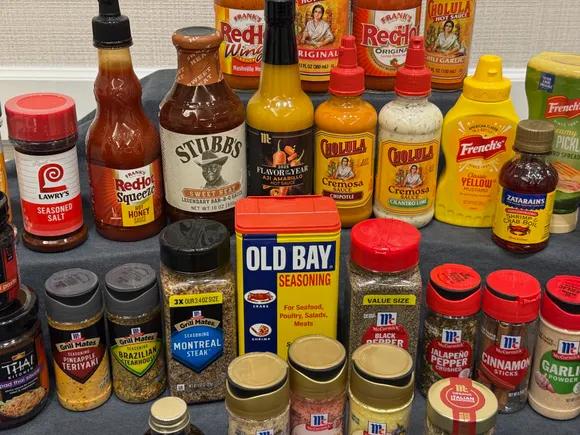
McCormick’s UK consumer business sells herbs, spices, seasonings, dry ingredient mixes and sauces under the Schwartz brand, alongside sauces including mustard under French’s. Unilever Foods sells in the UK under brands including Knorr, Maille and Colman’s. The CMA concluded that the two companies compete closely in both dry mixes and dry sauces, and that supermarket own-label lines and other brands, including Maggi in dry ingredient mixes and Bisto in dry sauces, exert only a limited constraint on them.
The regulator also judged that it would be difficult for new or existing suppliers to enter or expand enough to replace the competition lost through the merger, partly because supermarket shelf space is limited and incumbent suppliers have well-established positions. On that basis it decided on 11 November 2026 that the merger would be referred for a phase 2 investigation unless the parties offered acceptable undertakings, according to the CMA case page.
Colman’s as the remedy
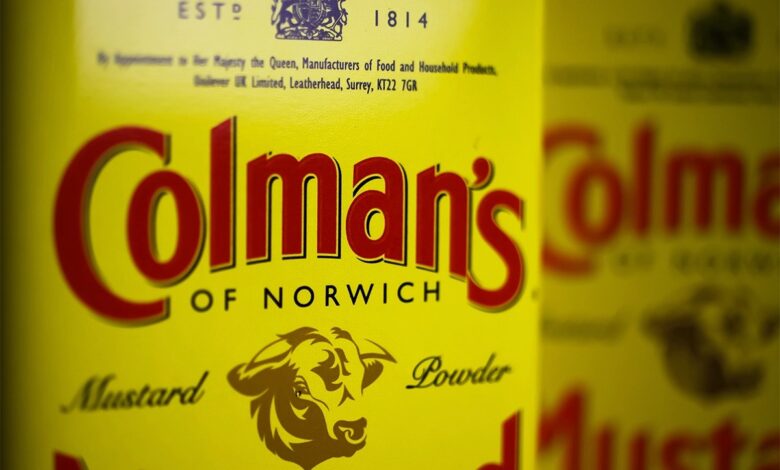
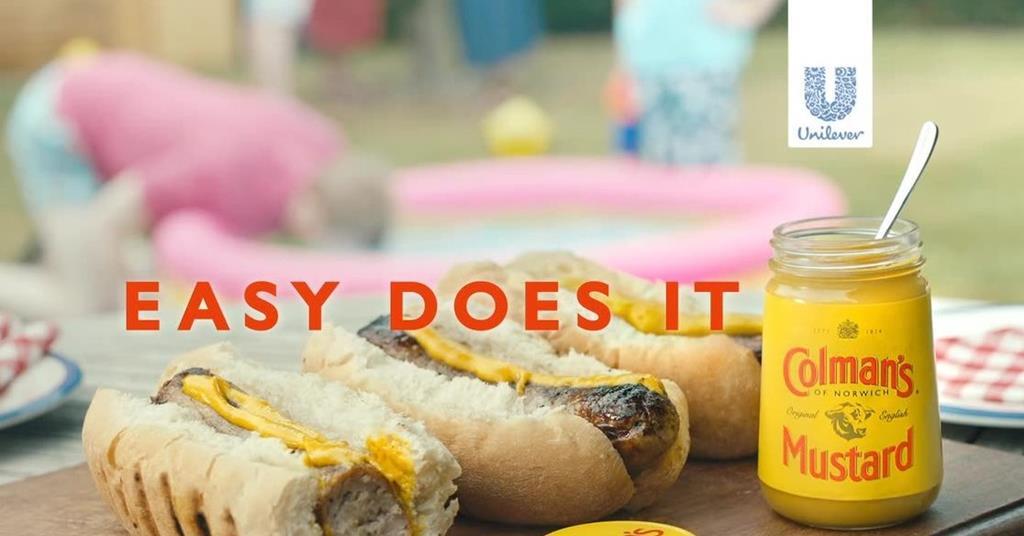
McCormick’s answer is to divest Colman’s, a part of Unilever Foods whose range covers dry sauces and dry cooking ingredient mixes alongside mustard and other cold sauces. The buyer would have to be approved by the CMA. Having found that the remedy could “in principle” address its concerns, the authority will examine the undertakings in more detail and seek third-party feedback. If accepted, the undertakings become legally binding and the deal is cleared without a phase 2 reference.
“Millions of packets of dry sauces and dry ingredient mixes are picked up as part of people’s weekly shop, so it’s important customers don’t end up paying more as a result of this deal,” said Elie Yoo, Senior Director of Mergers at the CMA. “McCormick has now offered proposals which we believe have the potential to resolve our concerns. We’ll look carefully at these proposals before deciding whether to accept them.”
Mustard itself was not the problem. The CMA found no competition concerns there because McCormick and Unilever Foods mainly supply different types of mustard that consumers generally do not see as substitutes: American-style French’s on one side, English-style Colman’s and French-style Maille on the other. Readers who followed French’s recent green mustard tie-in will recognise how differently the two mustard brands are positioned on shelf.
A sale Unilever had already started
The remedy does not come out of the blue. In August 2026, Unilever said it had decided to market the Colman’s brand and assets to potential buyers “in order to proactively seek to address potential competition concerns” from the combination, The Grocer reported, citing Sky News as saying that Rothschild had been engaged to find a buyer. Colman’s was founded in 1814. In a statement to Food Dive this week, Unilever said “discussions with potential buyers are progressing well.”
Who might buy it remains open. Speaking to The Grocer in August, AJ Bell head of markets Dan Coatsworth said there would not be “a shortage of interested parties lining up to own the quintessential British brand”, naming Premier Foods and Associated British Foods as likely to be in the frame. Neither company has confirmed an interest in the reporting reviewed for this article.
The bigger deal behind it
Unilever and McCormick announced the combination on 31 March 2026. It would put brands including McCormick, Knorr and Hellmann’s alongside Cholula, Maille and Frank’s in a portfolio with revenues of $20 billion based on fiscal 2025 data, while Unilever becomes a pure-play home and personal care company with €39 billion of revenues. We looked at what the tie-up means for the global flavour shelf in our earlier analysis of the deal.
Both companies told Food Dive they welcome the CMA’s latest step. McCormick said the proposed combination “continues to progress as planned, reinforcing our confidence in a timely closing.” The companies have previously said they expect the deal to complete by the middle of 2027.
What it means for the trade
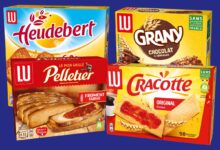
For retailers, the UK outcome would mean Schwartz and Knorr end up under one owner, while Colman’s moves to a new, independent owner that will need to keep it competitive in dry sauces and mixes. For competing suppliers such as the owners of Maggi and Bisto, and for own-label manufacturers, the CMA’s analysis confirms the regulator sees limited shelf space as a real barrier to entry, an argument that could resurface in future grocery mergers. As with other brand carve-outs we have covered, such as Princes Group’s purchase of Heudebert, Cracotte and Grany from Mondelēz, the value of the divested brand will depend on the buyer’s ability to keep it on shelf and invest in it.
The next milestone is the CMA consultation on McCormick’s undertakings. If the authority is not satisfied, it can still refer the transaction for a phase 2 investigation.