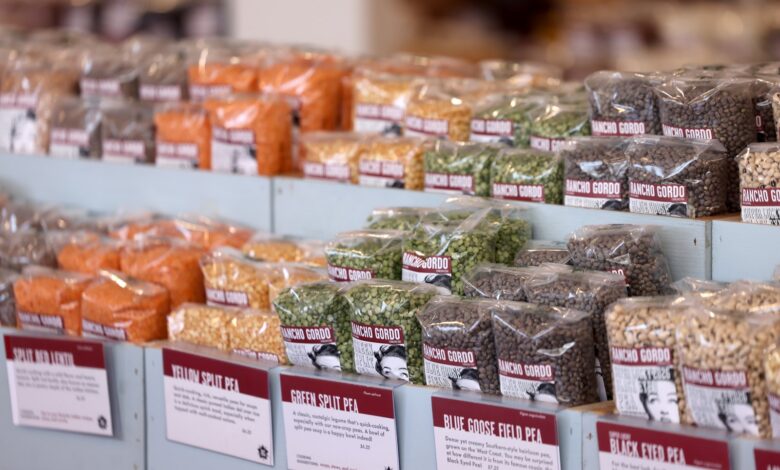

Dried beans are about as unglamorous as a food category gets: cheap, slow to cook and usually sold as an anonymous commodity. Rancho Gordo, a founder-owned company in Napa, California, has spent 25 years proving that the same aisle can carry a premium brand. It sells heirloom varieties with names like Rio Zape, Vallarta and Ayocote Morado. It runs a subscription club with a waiting list longer than its membership. And according to a 2025 profile in Alta Journal, founder Steve Sando keeps turning down acquisition offers from large companies.
For food professionals, the business is a useful case study. It shows how a niche staple can be built into a brand through sourcing stories, chef endorsements and a direct relationship with consumers, without chasing national supermarket distribution.
From a Napa garden to the French Laundry
Sando was not a farmer by background. The New Yorker reported in 2018 that he started at the clothing company Esprit in San Francisco in 1982, answering phones, and was soon handling multimillion-dollar accounts. He told the magazine that what stayed with him was Esprit’s branding. In 2000 he moved to a house outside Napa with two and a half acres of land and planted heirloom Mexican tomatoes, then rare beans from seed catalogues. On the company’s own account, the first heirloom bean he harvested was Rio Zape.
The early market stall did not go well. According to The New Yorker, the Napa farmers’ market would not take him, so he sold at the smaller market in Yountville, where shoppers mistook his beans for candied nuts. The turning point came in 2003, when chef Thomas Keller stopped at the stall. Keller’s restaurant, the French Laundry, is in Yountville. The bean that caught his attention was the Vallarta, which was close to extinction when Sando found it. Within a month it was a staple at the French Laundry. Alta reports that Keller’s restaurants still serve Rancho Gordo beans. Keller told the magazine that selling beans “new”, harvested, dried and sold within a year, “provides the most consistent quality I have ever come across.”
Solving supply: contracts, an agronomist and Mexican partners
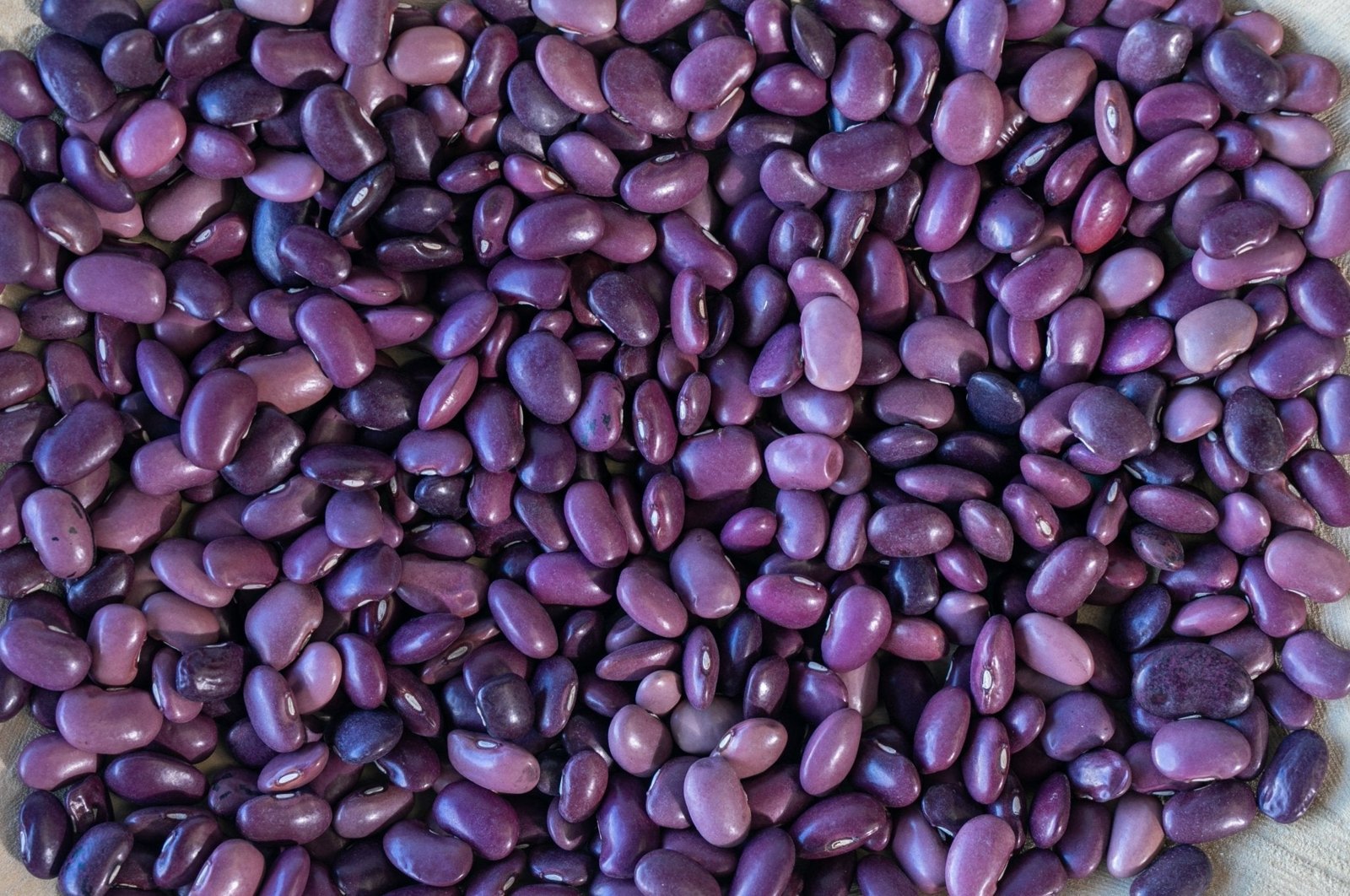
Chef demand soon outran Sando’s own fields. The New Yorker describes how industrial growers turned him down. Heirlooms were too finicky, yields too low and orders too small: ten thousand pounds, for farmers used to growing two million. To make the business work, he had to guarantee contracts so that growers were paid even if a crop failed. In 2012 he handed crop management to James Schrupp, an agronomist and former commodities trader. Today Rancho Gordo lists growers in Central California, Oregon, Washington and New Mexico. Quinoa and amaranth come from a hand-harvesting cooperative in South America.
The most distinctive part of the sourcing model is in Mexico. Through the Rancho Gordo-Xoxoc Project, the company buys heirloom beans directly from small Mexican farmers. Its partner is Xoxoc, a Mexican company known for sour prickly pear snacks that were already being imported into the US, and Xoxoc handles the export and customs work. Rancho Gordo says the farmers pre-sell their harvest, so they do not carry the risk of taking it to market, and they can keep growing traditional varieties instead of switching to hybrid crops. The project has since grown to include heirloom corn, which it began importing in 2010, as well as chocolate, salts, oregano and pottery, all on a small scale.
Scale without the supermarket
Growth has been steady. Online sales started in 2005, Sando published a cookbook in 2008 and the company moved into a new headquarters in 2010, Alta reports. The magazine says Rancho Gordo has grown by 15 to 25 percent every year since it began. In 2018 The New Yorker put annual volume at half a million pounds of beans. By May 2026 the Los Angeles Times reported 2.5 million pounds a year, sourced from nearly 15 farmers in central California, New Mexico, Oregon, Washington and several Mexican co-ops. Alta counted 35 full-time employees in 2025.
The engine is the Bean Club, a quarterly subscription that sends members six rare varieties plus another product. Sando started it in 2013. According to the Los Angeles Times, it had 11,000 members by 2020 and more than 30,000 five years later, with a waiting list of more than 36,000. “My goal wasn’t to get in every grocery store in the country, because I knew it’s still in this niche situation,” Sando told Alta. Alongside the club, the company sells online, through its own shop, to restaurants and to independent retailers.
The direct channel also brings legal exposure. Sando registered “Bean Club” as a trademark. He applied in 2022 and received it in 2023. In June 2025 the company sent a cease-and-desist letter to Foodocracy, and it sent a separate letter to Buttermilk Bean, a farmer-run collective in New York State. Critics told the Los Angeles Times that the phrase is too generic to own. Sando’s answer: “We got the trademark to protect our small way of doing it, not to rule the world and bully people.”
Beans go Main Street
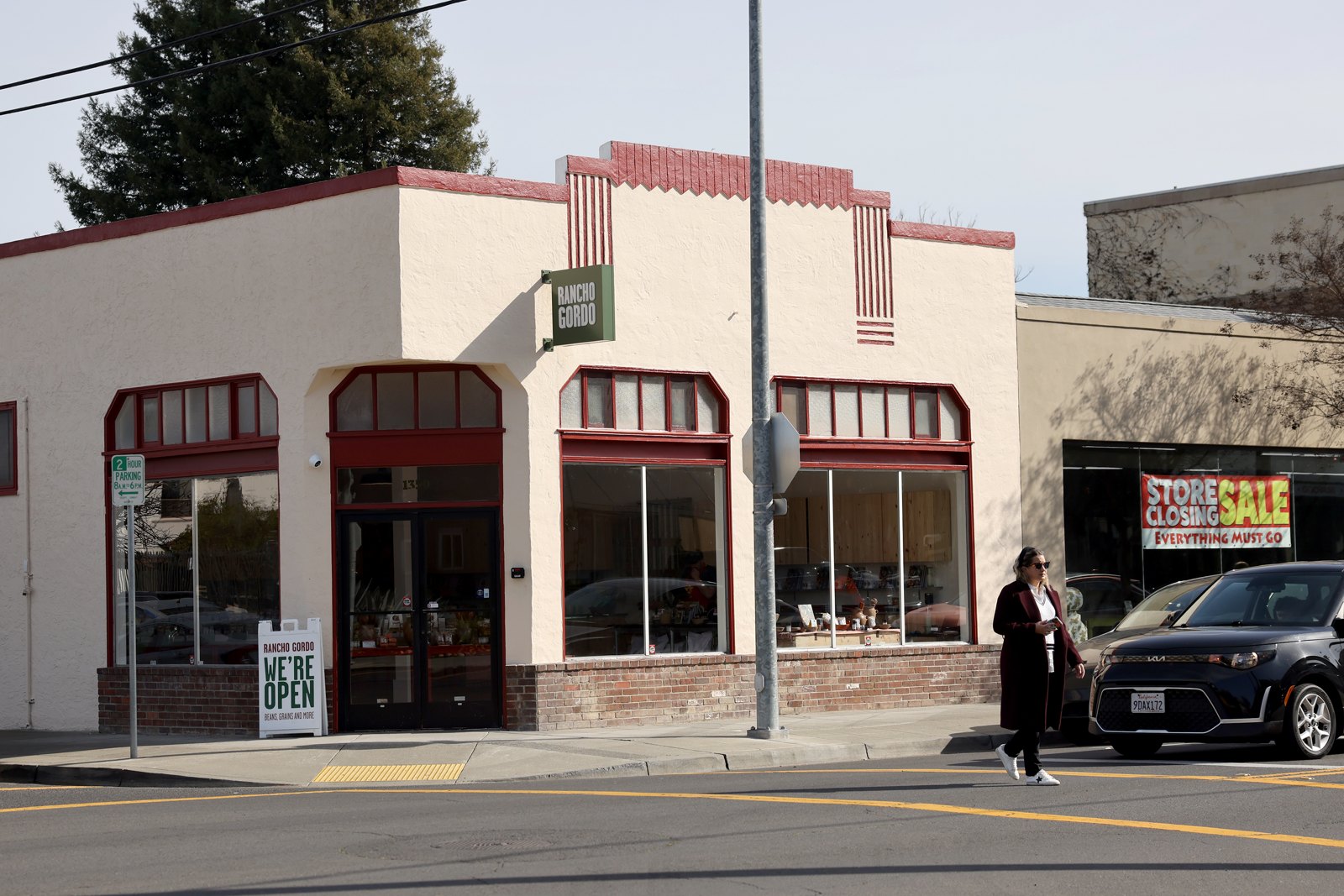
The company’s newest investment is a bricks-and-mortar one. On 26 January 2026, Rancho Gordo opened its new store at 1350 Main Street in downtown Napa, the Press Democrat reported. The 19th-century building had housed the Shackford’s kitchen shop from 1975 to 2021, and Sando had moved to buy it in December 2024. “The symbolism of beans going Main Street is not lost on us,” the company said when it opened. Sando told the Napa Valley Register that before the lease on the old Yajome Street site ended, he had considered moving the business to Sonoma County.
What comes next
The main open question is succession. Sando was 65 when Alta interviewed him, and he said he was thinking about “What is my exit strategy?” He has nonetheless ruled out a sale that would move the business away from Napa and its staff. “I feel a real responsibility to them and to the community,” he said.
For suppliers and buyers, Rancho Gordo shows that a commodity category can carry premium pricing when provenance, freshness and storytelling are built into the product. In 2018 The New Yorker put its retail price at about six dollars a pound, roughly three times the price of ordinary beans. It also shows that a small company can build demand directly with consumers while keeping control of its supply base. Readers following how smaller producers compete can compare it with our portrait of Portuguese cannery Conservas Pinhais, the move of US brand Maya Kaimal into LT Foods’ portfolio, and the plant-protein themes at SIAL Paris 2026.