
Food delivery in Italy is a local operating decision as much as a choice between app brands. Restaurants should compare the platforms serving their postcode, the delivery model and the margin left after fees. Just Eat, Deliveroo and Glovo are useful starting points, but an old list of five “market leaders” can be misleading.
Uber Eats and Foodora: historical names, not five independent rivals
Uber announced its decision to end Uber Eats food-delivery operations in Italy on 15 June 2023. Its official announcement should be distinguished from Uber’s separate mobility services. Foodora’s Italian operations were acquired by Glovo in 2018, as reported by ANSA. Counting Foodora again would distort the competitive picture.
Compare coverage before brand positioning
Check the live service area, restaurant selection and delivery terms for each address. A platform’s national recognition does not guarantee demand around a particular kitchen. Glovo also offers categories beyond restaurant meals; assess whether that mix helps discovery or creates a different competitive context. Consult the Glovo service and each prospective partner directly rather than assuming identical coverage.
Build a restaurant-level margin calculation
Start with selling price and subtract ingredients, packaging, labour attributable to the order, platform charges, funded discounts and refunds. Distinguish delivery provided by the platform from orders fulfilled by the restaurant’s own riders. A high order count can still produce a weak contribution if promotions and packaging costs are overlooked.
Test food quality and operational capacity
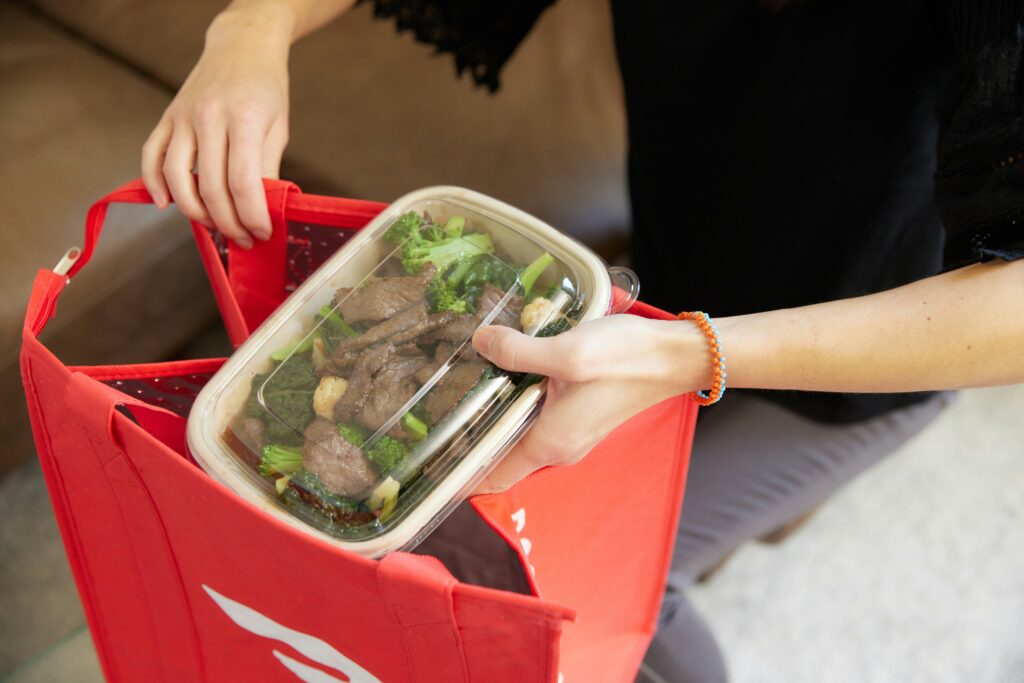
Run a small delivery menu through realistic journey times. Crispness, temperature, separation of sauces and tamper-evident packaging matter more than a generic promise of delivery within thirty minutes. Set preparation capacity for peak periods and monitor late handovers, cancellations and complaints alongside sales.
This revised guide removes unsourced market-share percentages and user counts from the earlier article. They should not be used for investment or contracting decisions without a dated dataset and clear methodology. Explore more Italian food industry coverage.