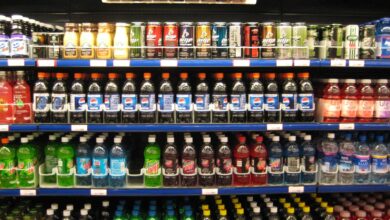
Attacks on supermarket refrigeration have brought cybersecurity onto the shop floor. For food businesses, the immediate questions concern safe stock, reliable controls and the cost of keeping shelves supplied.
The cyberattack on French retailers has given the food industry a particularly tangible warning. When remote refrigeration controls are compromised, the damage can appear in a freezer cabinet before it appears in a financial report. Products have to be assessed, stock may have to be discarded and shop teams must explain why familiar ranges are missing.
The incidents that hit French supermarkets overnight on 11–12 October 2026 are now part of a wider European concern. In a joint statement published on 4 November, ENISA and other European authorities confirmed incidents involving commercial refrigeration since 11 October, followed by a new wave on 1–2 November. They urged organisations to reduce their exposure while national investigations continued.
For supermarket buyers, food manufacturers and cold-chain operators, the lesson is practical. The security of the systems controlling storage conditions belongs alongside product availability, maintenance and food safety in everyday operating decisions.
French supermarket refrigeration attacks: what is established?
- Timing: the French disruption discussed here occurred overnight on 11–12 October 2026. European authorities later described a further cross-border wave on 1–2 November.
- Affected stores: the retailer counts below are attributed reporting from 13 October, not a final audited national total.
- Known risk: official advisories warn about exposed remote refrigeration-management interfaces and compromised settings.
- Still unresolved: the reviewed reporting does not prove one attacker, motive or entry route for every installation.
For the later Belgian incidents and the distinction from Ahold Delhaize’s separate October IT disruption, read our Belgian retail cyberattack analysis.
What happened to French supermarkets?
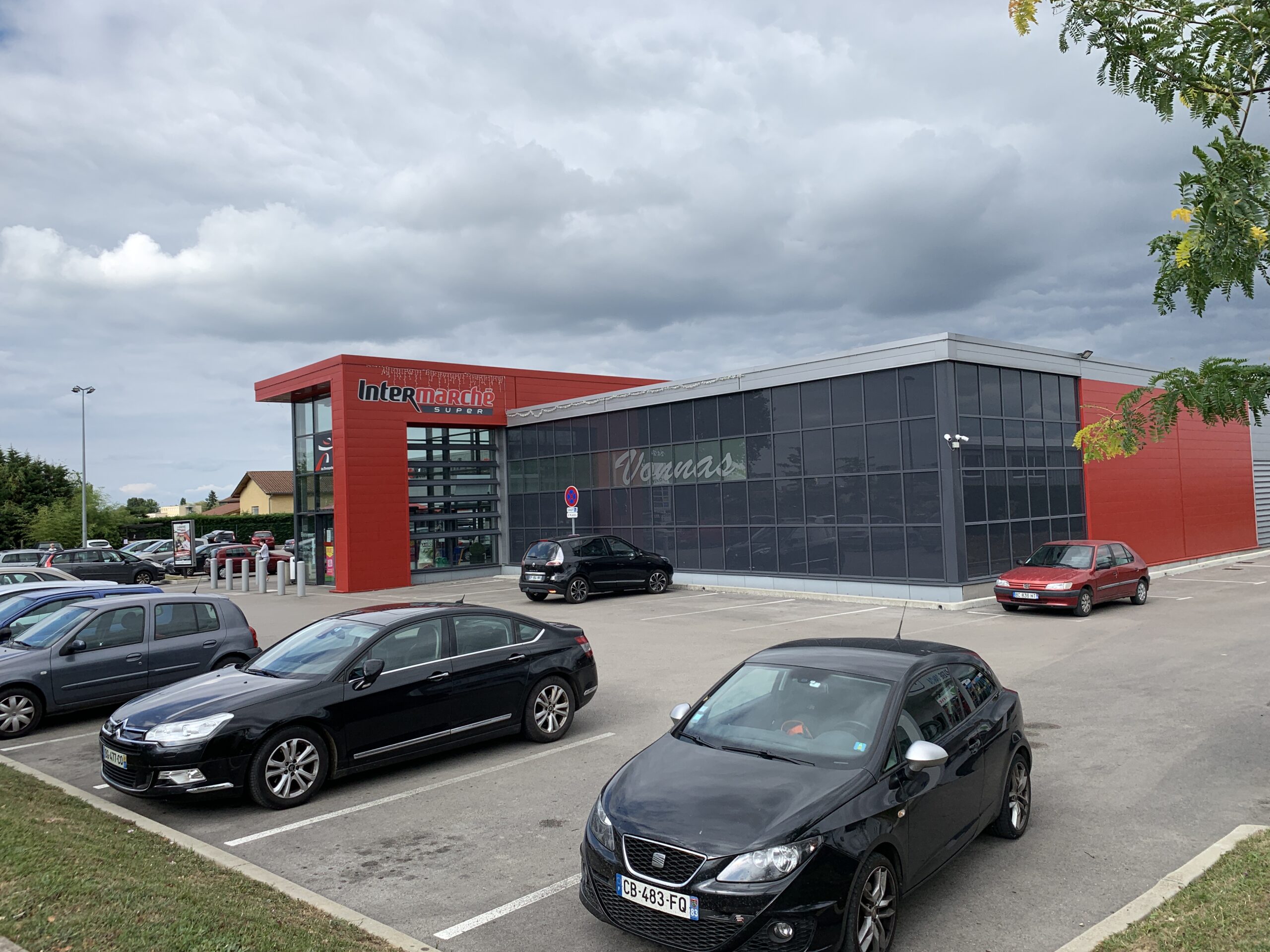
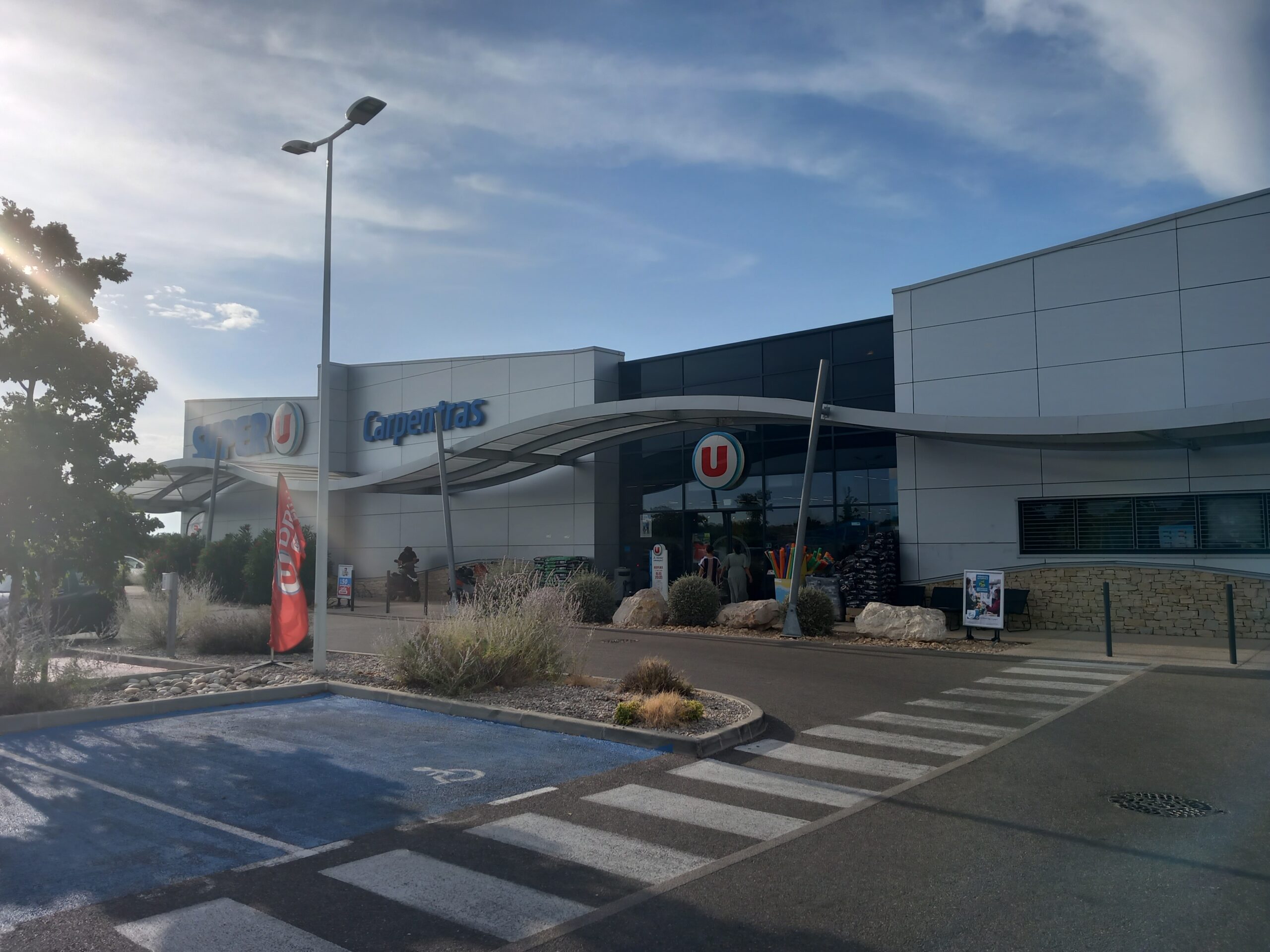
On 13 October, Le Monde reported that the overnight disruption of 11–12 October had affected around 300 stores in the Intermarché and Netto group, roughly 100 in Coopérative U, 80 Carrefour stores and about 30 Monoprix outlets, alongside some E.Leclerc stores. These were reported estimates, rather than a final audited total. The paper described products being discarded and some shops delaying opening while staff cleared affected cabinets.
Intermarché separately told BleepingComputer that some fresh and frozen display units were out of service and that precautions had been taken to remove products quickly. Coopérative U also confirmed disruption. France's prosecutors opened an investigation into the attack and its relationship to reported food losses and fires.
Those immediate operational effects matter more than a single headline number. A store can remain open and still lose an important part of its offer. Customers arriving for milk, meat, prepared meals or frozen food may complete only part of their planned shop, or leave for a competitor. Restoring a controller is therefore only one part of restoring normal trading.
A wider equipment problem than one brand name
Early reporting concentrated on Danfoss refrigeration controls. The CERT-FR alert, updated on 16 October, lists Danfoss AK-SC and AK-SM series equipment as well as Copeland XWEB and Dixell XWEB. It describes numerous compromises of remote refrigeration controllers and warns against exposing their management interfaces directly to the internet.
The list is a useful corrective to an overly narrow response. A retailer should examine its installed equipment and access arrangements rather than assume that checking one product line settles the question. Contractors may maintain several generations of control equipment across a network assembled through openings, acquisitions and refurbishments.
There is also an important distinction between a documented weakness and a proven explanation of an incident. Claroty's Team82 research describes vulnerabilities in the Danfoss AK-SM 800A management interface and coordinated disclosure to the manufacturer. Its research explains why remote access deserves scrutiny. It does not, by itself, establish which vulnerability was used at every affected supermarket or identify who carried out the attacks.
The reporting reviewed for this article does not establish one definitive attacker, motive or entry route across all the incidents. Retailers can take protective action without waiting for those questions to be settled.
Why refrigeration changes the business impact
Refrigeration controls sit between digital instructions and physical stock. A supermarket management system can supervise circuits, temperature settings, operating schedules and alarms. Remote access makes it easier for technicians to investigate faults without travelling to every branch, as Claroty's description of the AK-SM 800A platform explains. That useful capability needs protection because changes to the control system can affect the conditions in which products are held.
For the food business, recovery has two separate tests: is the installation functioning correctly, and is the food suitable for sale? A cabinet returning to its normal temperature does not establish what happened to its contents during the interruption.
EU food hygiene rules require food businesses to maintain the cold chain and avoid temperatures that could create a health risk. Limited periods outside temperature control are permitted for practical handling needs only where they do not create such a risk. Those provisions are not a blanket permission to sell stock after a refrigeration failure.
The operational implication is that the food-safety team needs reliable evidence about products, temperatures and elapsed time. Where the controller itself is suspect, managers should be prepared to corroborate its records. Decisions about retaining, moving or discarding products should follow the business's food-safety procedures and competent technical advice, rather than the commercial pressure to refill a cabinet quickly.
That division of responsibility also matters as businesses introduce more automation. Xtra Food Magazine's analysis of AI agents in the food industry distinguishes assembling evidence about a temperature excursion from deciding what happens to the product. The latter remains a job for qualified people.
The bill reaches beyond the discarded stock
Discarded products are the most visible loss, but they are only the start of a useful management assessment. The recovery account should distinguish stock written off, disposal, engineering work, extra staff time and any damage to equipment. It should also consider the effect on sales and the cost of replenishing ranges out of sequence.
These categories are not a verified estimate of losses across France. They are a framework for examining the cost within an individual business. Combining them prematurely into a national figure would hide substantial differences between stores, product ranges and the duration of disruption.
Buying teams face a separate scheduling problem. A replacement delivery is useful only if the receiving store has verified cooling capacity and staff available to handle it. Sending additional chilled stock into a partially restored operation can create another problem instead of solving the first.
The consequences can extend into manufacturing when affected stock is an ingredient. The buying criteria for IQF fruit used by industrial bakeries illustrate why consistent frozen condition, handling performance and product specifications matter together. Replacement volume alone does not establish that an ingredient will perform as expected on the production line.
Suppliers also need a clear distinction between normal orders, emergency replacement orders and postponed deliveries. That allows manufacturers and wholesalers to allocate stock sensibly, particularly when several retailers request replenishment at once. An agreed recovery sequence can be more useful than a general instruction to send everything as quickly as possible.
Xtra Food Magazine's coverage of supermarket supply arrangements during disruption in the UAE examines a different trigger but a related operating challenge: keeping products available depends on the condition and timing of the journey, not simply the volume purchased.
The service-provider relationship needs a closer look
Retailers often depend on refrigeration specialists to maintain equipment and monitor faults. The commercial question is whether the agreement makes responsibility clear when access must be restricted, a setting changes unexpectedly or a branch needs urgent attendance.
Procurement teams should ask who approves remote access, who maintains the inventory of controllers and who is responsible for security updates. They should also establish which systems are no longer supported and how replacement decisions reach the people controlling capital expenditure.
The answers need to cover franchisees and independently operated stores where relevant. A central purchasing agreement may specify equipment without ensuring that every site has the same configuration, maintenance history or escalation procedure. Retail groups should be able to see which locations have completed a security review and which still need help.
Insurance deserves its own check. CERT-FR specifically advises reviewing contractual insurance conditions before interrupting the internet data feed to a refrigeration contractor. That is a reason to coordinate technical containment, monitoring and contractual obligations, not to leave unsafe access arrangements untouched. Coverage for a particular loss depends on the policy and circumstances; a general statement that every retailer is covered, or uninsured, would be misleading.
Data breaches remain a separate retail risk
The refrigeration incidents should not be conflated with every other cyberattack involving a French retailer. Auchan's August 2025 disclosure concerned loyalty-account information. BleepingComputer reported that several hundred thousand customers were affected, with exposed information including contact details and loyalty-card numbers. According to the retailer's notice, bank details, passwords and PINs were not affected. Customers were warned to watch for phishing.
A separate RetailDetail report published on 29 September 2026 described Carrefour warning French customers about a breach involving an external service provider. The information potentially affected included names, email addresses and telephone numbers. The report said Carrefour had not disclosed a customer count and had not named the supplier in its notice. Reporting linking the incident to Shipup should therefore be attributed rather than presented as a supplier identification made by Carrefour itself.
The management distinction is straightforward. A customer-data incident calls for investigation of information access and the risk to individuals. A refrigeration incident also calls for immediate control of physical operating conditions. One may occur without the other, and a response plan should not presume that the same team, evidence or recovery steps will be sufficient for both.
Six priorities for food retailers and suppliers
The following priorities translate the public advisories into an operational review. They should be assigned to qualified teams and adapted to each installation.
1. Establish what is installed. Build a site-by-site record of refrigeration controllers, their software, support status, maintenance provider and remote access route. Include warehouses and other temperature-controlled facilities, not only supermarket display cabinets.
2. Protect remote access. Ireland's National Cyber Security Centre advisory of 3 November recommends removing direct public-internet exposure and using a properly secured VPN or equivalent protected network for necessary access. It treats filtering service-provider IP addresses as a temporary measure, not a complete permanent solution.
3. Check settings as well as software. The same advisory calls for inspection of temperature setpoints, defrost schedules, alarms, notification settings and user permissions. It also recommends appropriate supported firmware, strong unique passwords and enhanced security settings where available. A successful software update alone does not show that operating parameters are correct.
4. Plan for unsupported equipment. The Irish advisory recommends identifying end-of-life devices and assessing isolation, replacement or additional controls. Capital plans should therefore record security support alongside the physical condition and energy performance of an installation.
5. Rehearse the food decision. Run an exercise in which several branches report suspect temperatures before opening. Test who can stop sales, approve stock movements, arrange product assessment and coordinate the first delivery after recovery. Include an out-of-hours version, when normal contacts may be unavailable.
6. Keep evidence and customer messages aligned. Retain relevant technical logs, product records and a decision timeline. Give shop teams verified information about affected ranges and expected availability. Avoid promising that every product is safe or every system is restored before the responsible teams have completed their checks. Reliable lot and movement records support that work. Xtra Food Magazine's coverage of case labels and food traceability explores the connection between physical stock and structured records in a US regulatory context; the operational value of being able to identify affected product extends beyond that market.
A reset is not a complete remedy. CERT-FR’s guidance warns that resetting unsupported equipment while leaving it exposed does not remove the risk. Authorised refrigeration and security specialists should assess isolation, supported restoration or replacement, together with the monitoring and contractual implications. Stock-release decisions remain with the competent food-safety team.
Which cybersecurity and food-safety responsibilities apply?
The European response also points to obligations that extend beyond individual stores. ENISA's November statement notes that Cyber Resilience Act reporting requirements for manufacturers began on 11 September 2026, while its main product cybersecurity requirements apply from 11 December 2027. It also highlights risk-management and reporting duties for entities within the scope of NIS2. A business's exact position should be checked against its activities and applicable national rules, rather than inferred from the fact that it sells food.
Where personal data is involved, CNIL's breach guidance provides a different test. Controllers must document breaches and notify the authority where the incident creates a risk to individuals, without undue delay and within the applicable 72-hour framework. High-risk cases can also require communication to affected people. A refrigeration outage does not automatically establish that personal data has been compromised.
A purchasing decision that will outlast this incident
The cyberattack on French retailers should influence the next refrigeration tender as well as the next incident-response meeting. Buyers need to know how long controls will receive security support, how access is managed, how settings are restored and how monitoring continues when a connection is isolated.
Those questions fit naturally into the broader engineering decisions discussed in Xtra Food Magazine's article on integrating food production and refrigeration. Equipment, maintenance and product requirements have to work together over the life of an installation.
The most useful outcome is a clearer chain of responsibility. Store management needs to know when to stop selling. Food-safety teams need dependable evidence. Engineers need secure access and a tested recovery process. Buyers need to understand the support commitment attached to the equipment they purchase.
For the food industry, that is the enduring significance of these attacks. Keeping stock cold now also requires knowing who can change the instructions that keep it cold.