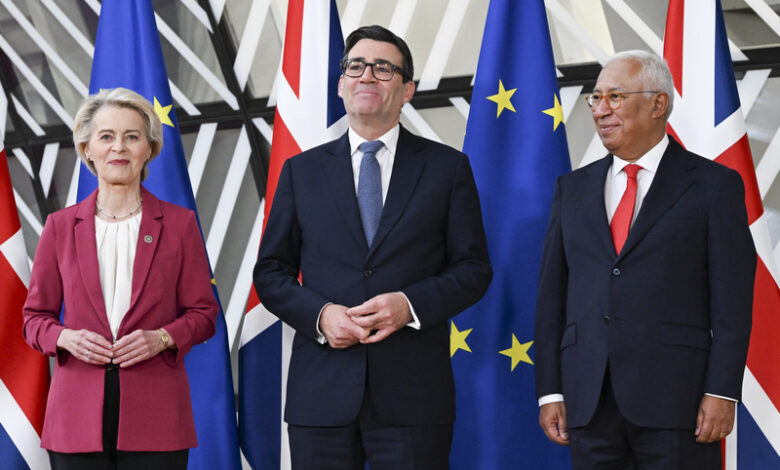

Seven years after Brexit, food and drink trade between Great Britain and the European Union is set to get substantially easier. At the second EU-UK summit in Brussels on 20 November 2026, UK Prime Minister Andy Burnham, European Commission President Ursula von der Leyen and European Council President António Costa welcomed the conclusion of negotiations on a sanitary and phytosanitary (SPS) agreement. The deal creates a Common SPS Area that removes most certificates and routine border checks on food, animals and plants. For exporters, importers, wholesalers and retailers on both sides of the Channel, it is the most significant change to agri-food trade rules since the UK left the single market, although it will not apply until 1 March 2028.
What changes for food traders
According to the UK government’s explainer on the agreement, Export Health Certificates will no longer be required for goods moving between Great Britain and the EU, saving UK businesses up to £200 per certificate. Phytosanitary certificates will also go, saving around £25 per certificate and at least £127.60 per load in inspection fees. Routine SPS border checks on products such as dairy, fish and meat will be eliminated, and Certificates of Inspection for organic products will no longer be needed.
The deal also reopens the EU market to British products that have been shut out since Brexit, including fresh sausages, burgers, seed potatoes and molluscs. Risk-based and intelligence-led checks can still take place, and controls on imports from non-EU countries continue.
The European Council’s summary of the summit lists the SPS agreement alongside the linking of the EU and UK emissions trading systems and a decision on reciprocal access to fishing waters until 30 June 2038.
Dynamic alignment is the price of access
The agreement works on the basis of dynamic alignment: the UK and the EU will apply the same rules, at the same time, on an ongoing basis. In return, the UK gets an early decision-shaping role on EU rules in development, as well as access to the European Food Safety Authority (EFSA) and other relevant EU agencies and databases.
The scope is broad, covering animal and plant health, food and feed safety, animal welfare, food labelling, organics, nutrition and health claims, and pesticides. Wine and spirits are not covered. Specific transition periods apply to some products where rules have diverged, including cell-cultivated and precision-fermented foods authorised only in Great Britain, which can continue to be produced until October 2029.
That alignment has consequences well beyond exporters. In a blog post for businesses, Food Standards Agency chief executive Katie Pettifer explained that from 1 March 2028, most food and animal feed in Great Britain will need to comply with EU rules, so businesses may need to make changes even if they do not currently trade with the EU. Stock already on the GB market before that date can be sold until it runs out, but must not enter the EU.
Retailers and wholesalers welcome the deal
Britain’s major grocers lined up behind the agreement. In a government press release, M&S Managing Director of Food Alex Freudmann said that moving a product from Lincolnshire to a shelf in Dublin currently takes “mountains of paperwork, a vet’s signature and even the Latin name of a cow”, and that food will reach shelves “fresher, with up to two extra days of shelf life”. Lidl GB chief executive Ryan McDonnell said the deal “delivers much-needed predictability and efficiency across UK and EU agri-food supply chains”, while Food and Drink Wholesale UK chief executive James Bielby called it potentially “a game-changer for wholesalers”.
The stakes are high. The EU accounted for 58% of UK agri-food exports and 69% of imports in 2025, yet UK food and drink exports to the EU have fallen by around a quarter in real terms since 2018. The UK government estimates the agreement could raise major agricultural exports to the EU by around 16% and add up to £5.1bn to the UK economy in the long term.
Ireland, the EU’s most exposed market
On the EU side, Ireland stands to gain most directly. Irish agriculture minister Martin Heydon welcomed the agreement, noting that the UK took €8bn, or 39%, of Irish agri-food exports in 2025, and that his department issues up to 80,000 export health certificates a year for consignments to the UK. He cautioned that changes will only take effect once the agreement is implemented in 2028.
What suppliers should do now
The agreement still has to complete UK and EU procedures before it applies. For continental suppliers, the main benefit will be cheaper and faster access to British retail and foodservice, especially for chilled and perishable goods where border delays have hurt shelf life, a theme we also explored in our coverage of cold-chain risks at French retailers. British producers, meanwhile, should start mapping where their recipes, labels and authorisations differ from EU rules. Exporters targeting premium European markets, such as those covered in our guide to Swiss high-end food retail, and companies reshaping cross-Channel portfolios, like Princes Group with its Mondelēz acquisition, now have a clear date to plan around: 1 March 2028.